All recipesBeef / The Sunday Cook

How to Cook Brisket: Backyard Smoked Brisket

Cuisine: American

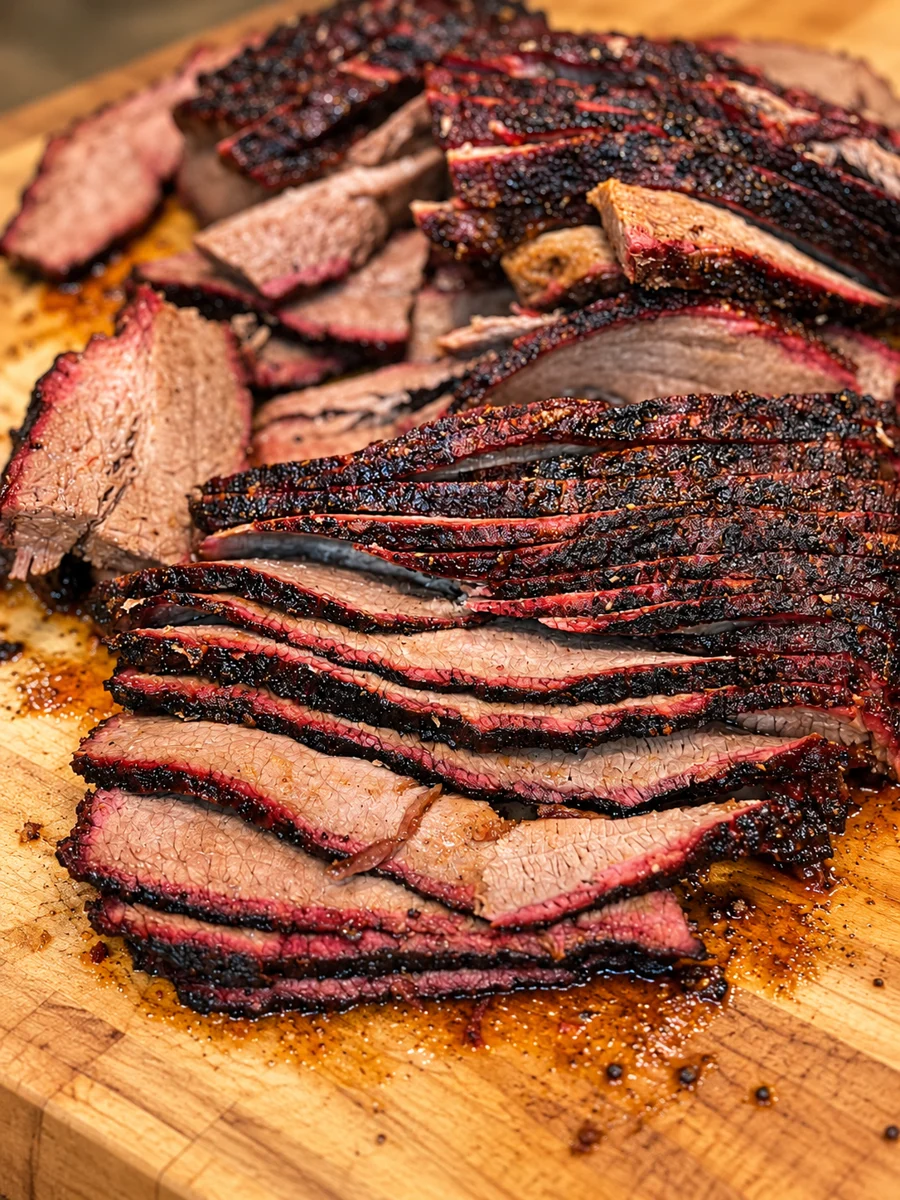
Peppery bark, tender slices, and a long rest. A full-day cook with a plan for the stall.

Jump to recipe
Sliced smoked brisket with a dark bark
PREP30 minCOOK10–14 hrREST2 hrMAKES10–12 servings
Weekend project

Does this cook fit your day?

About 45–60 min hands-on · 12½–16½ hr total

A long cook with a few key decisions: trim, wrap, check tenderness, then rest. Allow extra time before guests arrive.

Hands-on time is an estimate for the original batch, including prep and finishing. Total time includes cooking and resting. Larger batches can take longer.
First time? Start here

Bark is the dark seasoned crust. The stall is a pause in the temperature climb—not a sign to panic.

Cooking terms explained
Use the equipment you have

You need a smoker for this method. A leave-in probe is convenient, but you still check tenderness with an instant-read probe. Your sharp kitchen knife can do the slicing.

Before you shop

Buying a whole brisket is a bigger commitment. Plan portions and leftovers before shopping; pulled pork is another option if the brisket price does not fit your budget.

Make it a meal

Serve slices with street corn and a simple bagged slaw. Keep sauce on the side so everyone can choose.

LET’S COOK

Step-by-step instructions.

YOUR FINISH LINE200–205°F is a tenderness checkpoint
  1. Trim and season

    Trim hard fat and thin edges, leaving about ¼ inch of fat cap. Mix salt, pepper, and garlic powder; season evenly. If seasoning ahead, refrigerate uncovered.

  2. Set up steady heat

    Preheat the smoker to 250°F. Place the brisket fat-side toward the heat source. Insert a probe into the thickest part of the flat, avoiding fat pockets.

  3. Build the bark

    Smoke until the surface is dark and the rub does not wipe away easily, often around 165–175°F internal. This may take 5–8 hours. The stall is normal; avoid repeatedly opening the lid.

  4. Wrap and finish

    Wrap snugly in unwaxed butcher paper. Continue at 250°F until a probe slides into several spots in the flat with very little resistance, often around 200–205°F. Temperature is a checkpoint; tenderness decides the finish.

  5. Rest, then slice

    Rest wrapped for at least 2 hours with temperature monitored; maintain 140°F or above during an extended hot hold. Slice the flat across its grain, then rotate the point as its grain changes. Slice only what you plan to serve. A sharp kitchen knife is enough; use smooth strokes rather than pressing down hard.

TEMPERATURE NOTE

Whole beef cuts have a USDA minimum of 145°F with a 3-minute rest. Brisket is cooked much further for tenderness.

USDA temperature guidance
SMALL DETAILS, BETTER COOKS

A few helpful tips

Plan your cook, from prep to plate

Timing is an estimate. Follow temperature and tenderness checks.

  1. The night before, optional

    Trim and season. Refrigerate uncovered.

  2. 12½–16½ hours before dinner

    Preheat, then begin smoking. Allow extra time: a large brisket can run longer.

  3. When the bark sets

    Wrap, then keep cooking until probe-tender.

  4. At least 2 hours before slicing

    Rest wrapped, monitoring temperature. Keep a longer hot hold at 140°F or above.

WHEN THE COOK HAS QUESTIONS

A little help.

The temperature has stopped climbing. Is something wrong?

A stall is common. Maintain steady heat and wait for the bark to set before wrapping. Raising the heat aggressively can dry the edges.

It reached 203°F but still feels tight. Now what?

Check another spot and confirm the probe is in meat. If the flat still resists the probe, continue cooking and check periodically.

What if it finishes early?

Hold it wrapped in a suitable warmer or oven, checking the meat stays at least 140°F. Verify the actual holding temperature with a thermometer.

MAKE TOMORROW TASTE GOOD

Keep & reheat.

Refrigerate in shallow containers within 2 hours, or within 1 hour when it’s over 90°F outside. Keep refrigerated at 40°F or below and use within 3–4 days.

Reheat

Reheat slices covered with a small splash of beef broth at 300°F until they reach 165°F. Keep the pan covered to limit moisture loss.

Next-day idea

Dice into breakfast hash or tuck into quesadillas.

USDA leftover guidance
FREE MEAT TEMPERATURE CHEAT SHEET

Cook with confidence.

Keep safe cooking temperatures, rest times, and BBQ tenderness targets close at hand. Get the printable guide, plus occasional easy recipes and practical grilling tips.

Loading signup form…

READY FOR THE STORE

Your shopping list.

Check items you already have or have bought. They stay in place and are left off copied and shared lists.