All recipesBeef / The Sunday Cook

Red Wine Marinated Smoked Beef Ribs

Cuisine: American

A red wine marinade with Dijon mustard, Worcestershire sauce, onion, and garlic gives these beef ribs a savory foundation. A pepper-forward rub and a slow smoke build a dark bark while the meat becomes tender.

Jump to recipe
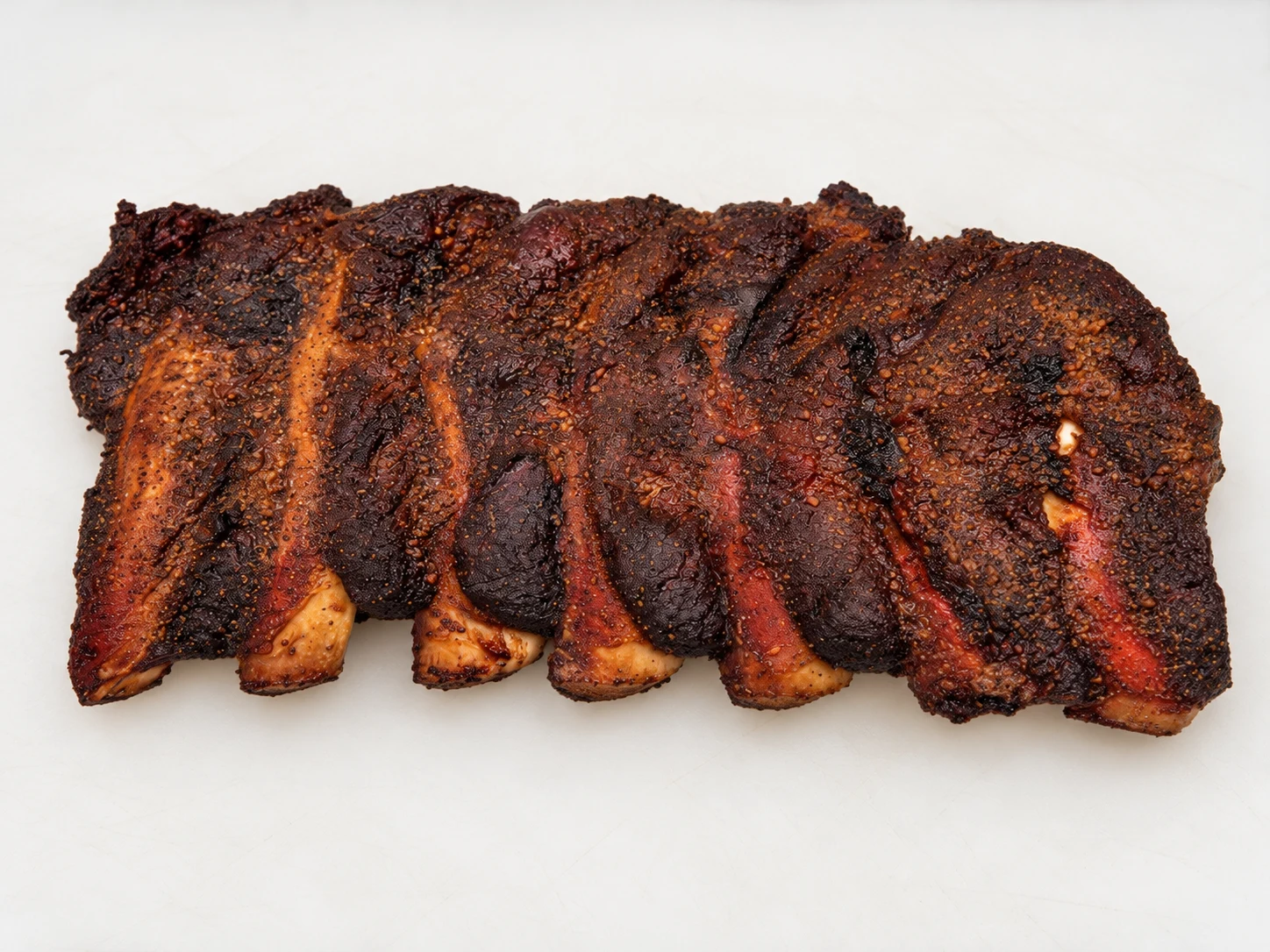
Red wine marinated smoked beef back ribs arranged horizontally on a white cutting board
PREP20 minCOOK5–7 hrREST20–30 minMAKES3–4 servings with sides
An overnight marinade and a slow smoker day

Does this cook fit your day?

About 30–40 min hands-on · 9 hr 40 min–19 hr 50 min (includes marinade) total

Marinate for 4–12 hours, then allow about 5 hours 40 minutes–7 hours 50 minutes for prep, smoking, and resting. Most of the cook is hands-off.

Hands-on time is an estimate for the original batch, including prep and finishing. Total time includes cooking and resting. Larger batches can take longer.
First time? Start here

Check the meat between the bones, keeping the probe off bone. It should slide in with very little resistance. Temperature and the clock are guides.

Cooking terms explained
Use the equipment you have

Use a smoker or pellet grill at 225°F with indirect heat. A shallow glass or stainless-steel tray works for the marinade. Foil wrapping during the cook is optional.

Before you shop

One 3–4 lb rack of beef back ribs serves roughly 3–4 people with sides; yield varies with how closely the rack was trimmed. Buy back ribs, not thick plate short ribs.

Make it a meal

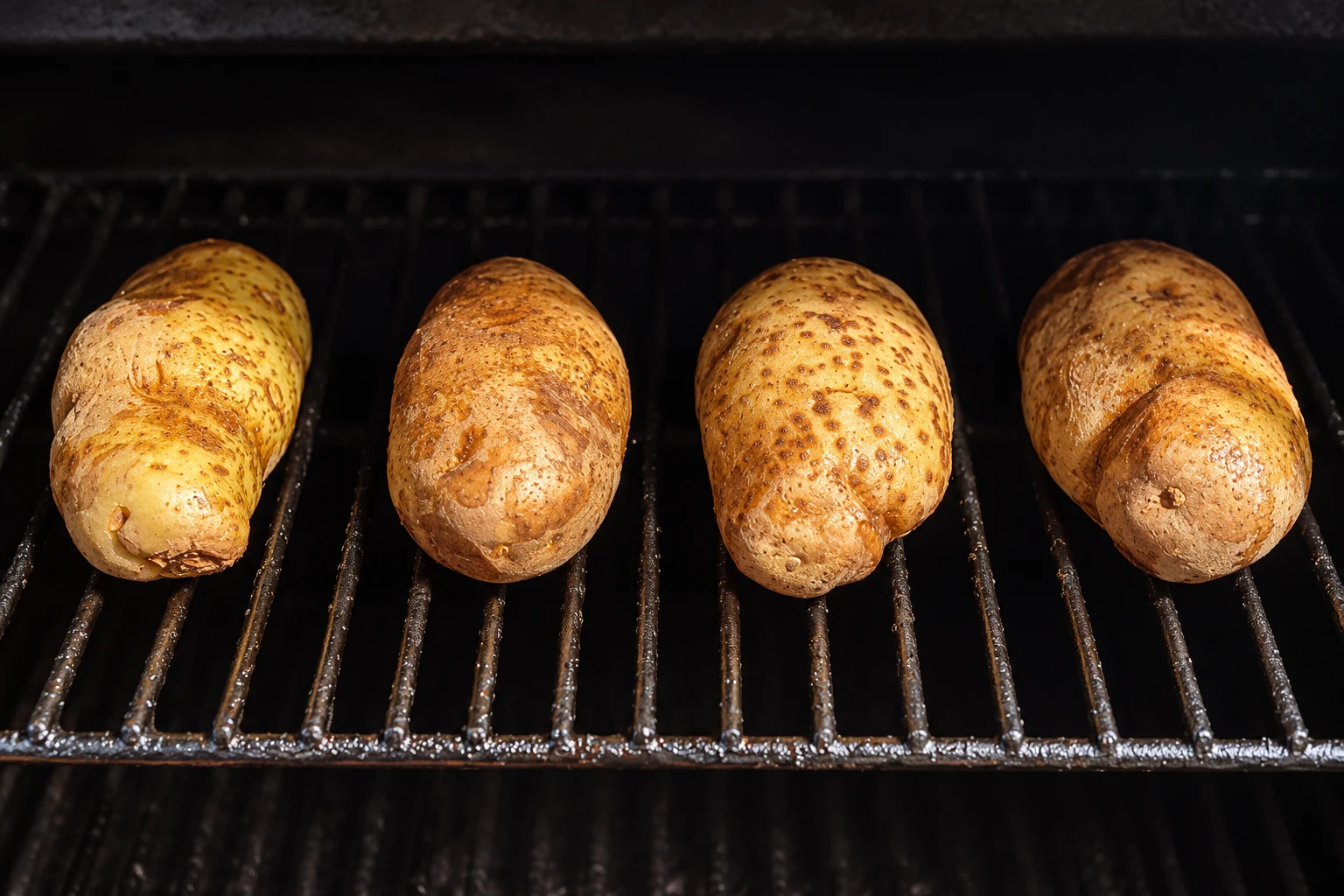
Serve with smoked baked potatoes, roasted vegetables, or a crisp salad. The potato recipe uses 275°F, so plan a separate oven or cooker for those if keeping the ribs at 225°F.

LET’S COOK

Step-by-step instructions.

YOUR FINISH LINEProbe-tender meat between the bones; often 195–205°F
  1. Prepare the ribs

    • Pat the rack dry and trim any loose pieces or thick patches of hard fat.
    • If a tough membrane remains on the bone side, loosen a corner with a butter knife, grip it with a paper towel, and pull it away.
  2. Mix the marinade

    • Whisk together the red wine, olive oil, Dijon mustard, Worcestershire sauce, salt, and pepper listed for the marinade.
    • Stir in the sliced onion, smashed garlic, and bay leaves.
  3. Marinate in the refrigerator

    • Place the ribs in a shallow, nonreactive tray, such as glass or stainless steel. Pour the marinade over them and turn to coat.
    • Cover and refrigerate for at least 4 hours, preferably 8–12 hours overnight. Turn the rack once halfway through so both sides contact the marinade.
  4. Preheat and season

    • Preheat the smoker to 225°F.
    • Remove the ribs from the marinade, brush off onion and garlic pieces, and discard the used marinade. Pat the ribs thoroughly dry.
    • Mix the rub ingredients and season evenly on both sides, concentrating most of the rub on the meat.
  5. Smoke bone-side down

    • Place the ribs directly on the grates, bone-side down, with indirect heat.
    • Close the lid and plan on approximately 6 hours, allowing a 5–7 hour window depending on thickness and smoker performance. Leave the lid closed as much as possible during the first 3 hours.
  6. Check the bark and moisture

    • After about 3–4 hours, check the surface. Continue uncovered if the bark is developing well.
    • If the outside is getting too dark or dry before the meat is tender, wrap tightly in heavy-duty foil with ¼ cup beef broth per rack, then return to the smoker. Wrapping is optional and will soften the bark.
  7. Cook until tender

    • Start checking tenderness around 5 hours. Insert a thermometer probe or thin skewer into the meat between the bones, avoiding bone contact.
    • The ribs are ready when it slides in with very little resistance and the meat has pulled back from the bone ends. The meat often reaches 195–205°F, but tenderness—not exactly 6 hours or a particular temperature—is the finish line.
  8. Rest and slice

    • Rest for 20–30 minutes, loosely tented with foil.
    • If wrapped during cooking, carefully open the foil briefly to release steam before tenting. Slice between the bones and serve.
TEMPERATURE NOTE

Marinate covered in the refrigerator and discard marinade that touched raw beef. The 195–205°F range is a tenderness guide for this cut; USDA guidance for whole beef cuts is 145°F followed by at least a 3-minute rest.

USDA temperature guidance
SMALL DETAILS, BETTER COOKS

A few helpful tips

Plan your cook, from prep to plate

Timing is an estimate. Follow temperature and tenderness checks.

  1. 4–12 hours before cooking

    Mix the marinade and refrigerate the ribs, turning once halfway through. Overnight is preferred.

  2. Before smoking

    Preheat to 225°F. Discard used marinade, pat dry, and apply the savory rub.

  3. First 3 hours

    Smoke bone-side down with the lid closed as much as possible.

  4. Around 3–4 hours

    Check the bark. Wrap with broth only if the exterior is getting too dark or dry.

  5. Around 5–7 hours

    Check the meat between the bones for tenderness. Prepare sides while the ribs finish.

  6. Last 20–30 minutes

    Rest loosely tented, then slice between the bones.

WHEN THE COOK HAS QUESTIONS

A little help.

Which beef ribs should I buy?

This recipe is for beef back ribs, approximately 3–4 lb per rack. Thick plate or chuck short ribs need a different timing plan and often take considerably longer.

What red wine should I use?

Choose a dry red such as Cabernet Sauvignon or Merlot. Avoid sweet red wine and salted cooking wine.

Can I use my own BBQ rub?

Yes. Substitute approximately 2–3 tablespoons per rack, or follow its label. Reduce the marinade salt if the rub is especially salty.

Do I have to wrap the ribs?

No. Continue uncovered for a firmer bark. Wrap with a little broth only if the exterior is getting too dark or dry before the meat is tender.

MAKE TOMORROW TASTE GOOD

Keep & reheat.

Refrigerate in shallow containers within 2 hours, or within 1 hour when it’s over 90°F outside. Keep refrigerated at 40°F or below and use within 3–4 days.

Reheat

Reheat covered with a splash of beef broth until the meat reaches 165°F.

Next-day idea

Remove the bones and chop the meat for sandwiches, quesadillas, or loaded baked potatoes.

USDA leftover guidance
FREE MEAT TEMPERATURE CHEAT SHEET

Cook with confidence.

Keep safe cooking temperatures, rest times, and BBQ tenderness targets close at hand. Get the printable guide, plus occasional easy recipes and practical grilling tips.

Loading signup form…

READY FOR THE STORE

Your shopping list.

Check items you already have or have bought. They stay in place and are left off copied and shared lists.